






Hungarian Railway Museum | 25. 02. – 29. 03. 2026.
Sustainability. Experience. Exhibition.
Planet Explorers builds on twelve themes to help you understand how to find a balance between development and coexistence with nature. Each station begins with a question and ends with a new insight.








Agriculture
Do you know where the food you eat comes from?
Soil is one of the most important, yet invisible, foundations of life. Here you can discover how soil health is linked to food production, biodiversity, and our own quality of life. You can learn about the effects of chemicals and overuse, as well as which agricultural models can maintain soil fertility.
Food
How can you eat well without harming the Earth?
Responsible breakfast, sustainable lunch? Here you can find out how eating can be healthy, enjoyable, and environmentally conscious at the same time. We will talk about reducing food waste, the benefits of local and seasonal ingredients, and how you can change the world with what’s on your plate—in small but effective ways.
Water
How can you conserve water if you don’t know when you’re wasting it?
The Earth’s water supply seems enormous, but only a fraction of it is drinkable. Here we highlight how drinking water, food, and energy consumption are intertwined, and how this affects our everyday lives. Find out where “invisible water” is hiding and how you can save it consciously, yet simply.
Fashion
Can you be stylish with fewer clothes?
Fashion is a means of self-expression—but every decision we make leaves a mark. Here you can find out the true price of a T-shirt, how and from what our clothes are made, how many resources are used in their production, and why it is worth focusing on quality rather than quantity. We show you how to dress consciously—consuming less yet stylishly.
Home
How can your home be both comfortable and environmentally conscious?
A conscious home is not a one-time expensive investment, but a series of consistent decisions. Here you can discover how to make your home comfortable, energy efficient, and healthy at the same time—with smart solutions, Hungarian examples, and real savings.
Green City
What can you do for the animals and plants around you?
The city can also be a living, green environment—if we give space to nature. This station shows why urban biodiversity is important and how a tree, a flower bed, or a community garden can improve our quality of life.
Waste
Do you know what you throw away everyday?
Waste does not disappear—it just continues its journey elsewhere. The best waste is no waste: here we present some ideas on how to “produce” less waste. You can also see where our discarded items end up and how intelligently sorted waste can be turned back into raw materials.
Transportation
Can you travel in an environmentally friendly, fast, and inexpensive way?
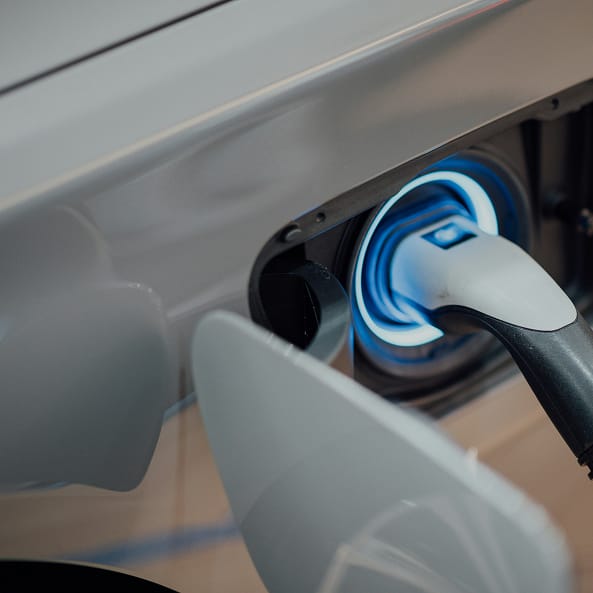
Transport shapes the rhythm of the city—and its air quality. This station shows how we can make cities more livable by walking, cycling, using public transportation, or sharing vehicles. Don’t miss out on anything, let’s go together!
Digital
What is the price of being online?
Every click leaves a trace—and requires energy. Here, we reveal how much resources our digital lives consume and how we can become more conscious users without giving up technology. We show that the digital world can also be more sustainable.
Relaxation
What makes you feel better in a more sustaniable world?
Living in harmony with our environment: this is the basis of sustainability itself, and also of our physical and mental well-being. We will show you how relaxation, mindfulness, and belonging to a community can help us take care of ourselves and each other in the long term.
Little Heroes
Did you know that you too can be a hero?
A space for the little ones, where play is a tool for discovery and learning. In the world of Little Heroes, children and their parents can share experiences about sustainability. Gardening, exercise, colouring—working attentively leads to awareness, which in turn leads to a sense of responsibility.
Planet Explorers is not a traditional exhibition, but a place where visitors can experience that we are all decision-makers: our choices and commitments affect our common future. Here you can discover that sustainability is not a sacrifice, but rather a new perspective for individuals and communities. It means a chance for a new balance and harmonious development. Recognize it, experience it, take it with you!
Time
February 25.
–
March 29.
Explorers is open every day from 9:00 to 18:00.
Location
Hungarian Railway Museum
Budapest, District 14, Tatai út 95.
Entry
The event is free to attend.




Visitor
information
An interactive knowledge space that makes sustainability understandable and tangible. By answering twelve questions, you can discover how your decisions affect the environment you are also a part of.
Planet Explorers is not a traditional exhibition, but a place where visitors can experience that we are all decision-makers: our choices and commitments affect our common future. Here you can discover that sustainability is not a sacrifice, but rather a new perspective for individuals and communities. It means a chance for a new balance and harmonious development. Recognize it, experience it, take it with you!
We welcome visitors between 25 February and 29 March 2026 (every day from Monday to Sunday).
Explorers is recommended for all age groups, from school age onwards.
You can spend up to 2-3 hours enjoying the interactive islands of Explorers.
The themed islands of Explorers can be visited freely, without booking, during opening hours.